Category Archives: Feminism

Halloween Special Podcast | Witches’ Familiars

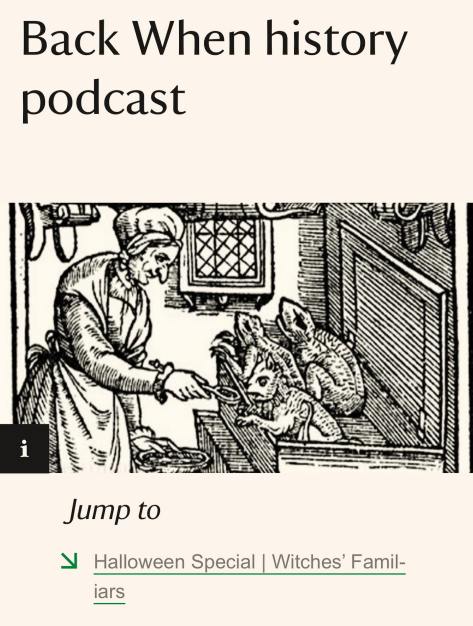
🎧 Spooky podcast now live! 🎧 I was invited on the @nationaltrust ‘Back When’ history podcast &’Wild Tales’ @wildtalesnt podcast to discuss witches’ familiars and share some of the darker stories of loving pets in the past… 🐈‍⬛🧙🏻‍♀️💜

🕯️🧹 Halloween Special | Witches Familiars 🧹🕯️
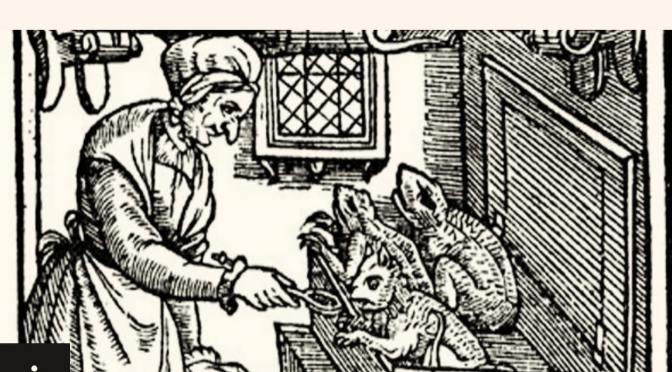
Is your cat the devil in disguise? Probably not, although they may act like something possessed sometimes! But once upon a time, friendliness towards cats, rabbits or dogs could lead to accusations of witchcraft, as these animals, known as familiars, were suspected of working for the devil. Learn the history of familiars through the story of Elizabeth Clarke, a poor disabled woman from Essex accused of being seen with these supernatural beings.

https://www.nationaltrust.org.uk/discover/virtual-visit/podcasts/back-when-history-podcast

Live talk at the Bank of England Museum in London, Tuesday 11th November 2025, 12:30pm: ‘A (Séance) Room of One’s Own: The socially subversive origins of British Spiritualism’

*** This talk is • FREE! • But booking is essential. Reserve your ticket here ***

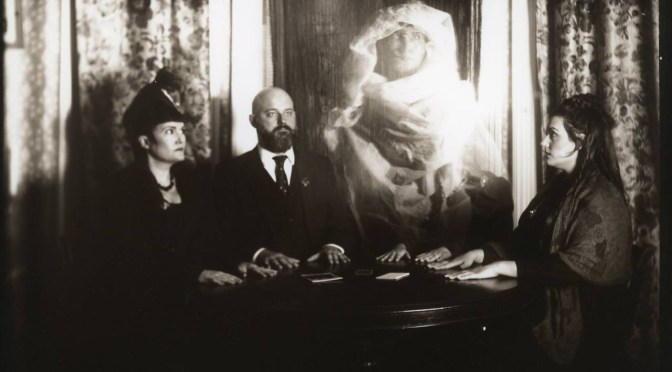
What comes to mind when you envision a séance? Do you see the atmospheric drama of a Victorian drawing room, hands clasped in the flickering candlelight? Or perhaps giggling teenagers nervously trying out a Ouija board? What probably doesn’t come to mind are UCL professors conducting scientific experiments, or activists fighting for the rights of women and the working class. 

Continue reading Live talk at the Bank of England Museum in London, Tuesday 11th November 2025, 12:30pm: ‘A (Séance) Room of One’s Own: The socially subversive origins of British Spiritualism’

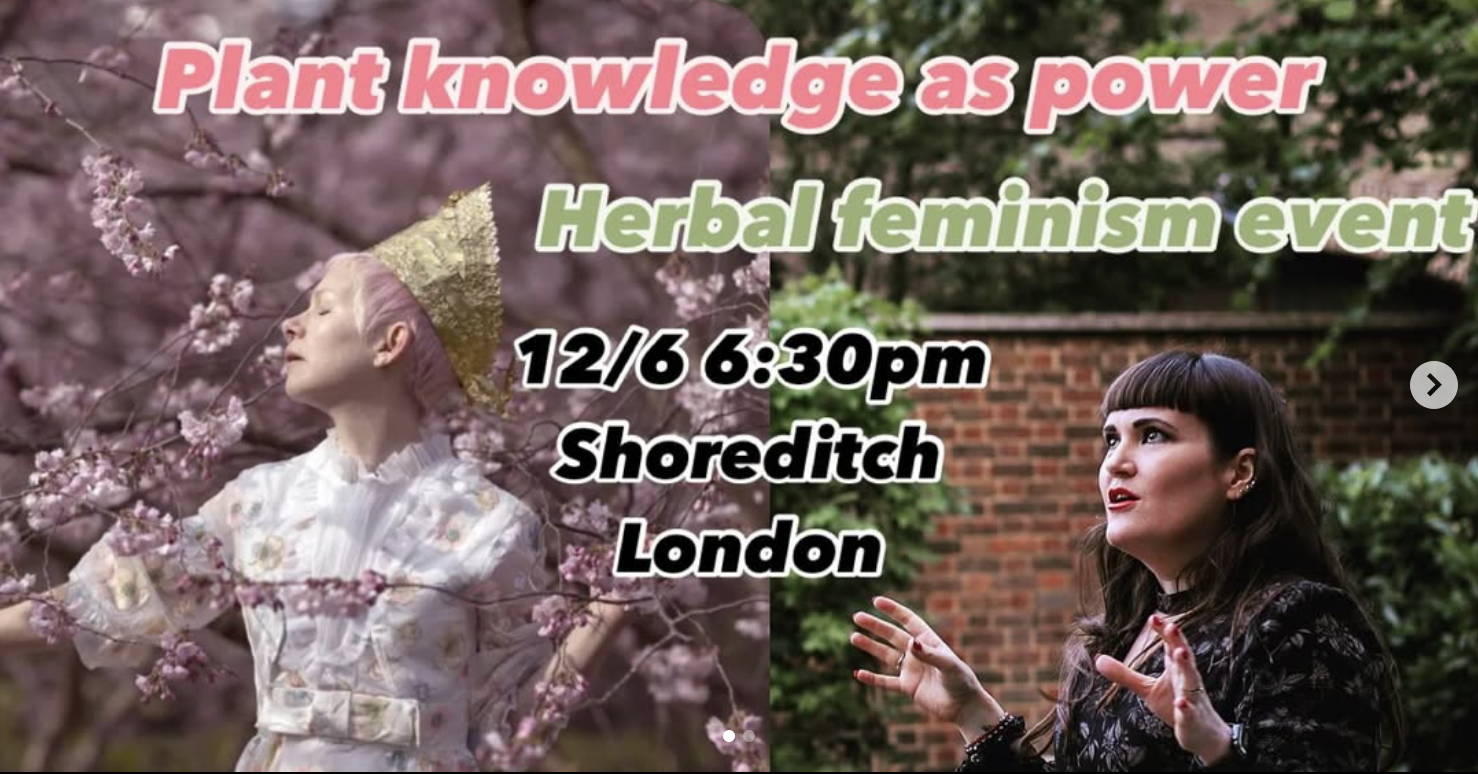
Live talk at the Museum of the Home in London, Thursday 12th June 2025, 6:30pm: ‘Ancient Herbal Remedies & Fertility Management — The Secrets of Mediaeval & Early Modern Midwives’

*** Buy tickets here!!! ***

Join Dr Romany Reagan and Kerry Lemon for an exclusive after-hours event at the Museum of the Home, followed by a group walk to Ruup & Form for an intimate viewing of SIMPLING led by the artist. We’ll begin in the herb gardens at the Museum of the Home, where there will be a wine reception and access to explore the Gardens Through Time after hours. Then Romany will give a talk exploring the roots of women-led fertility management through the lens of herbal history. We’ll uncover the often-overlooked practices of mediaeval and early modern healers — women who passed down their knowledge orally, from mother to daughter, from midwife to apprentice. Their methods of community care were rarely recorded in written form, so uncovering these methods of reproductive control are their most secret knowledge of all.

Continue reading Live talk at the Museum of the Home in London, Thursday 12th June 2025, 6:30pm: ‘Ancient Herbal Remedies & Fertility Management — The Secrets of Mediaeval & Early Modern Midwives’

Live talk at Sutton House in London, Friday March 8th 7pm 2024 for International Women’s Day: ‘A Quiet Roar — Untold stories of the Women of Sutton House’

*** Buy tickets here!!! ***

Ticket price includes lecture entry, pop-up exhibition, and wine reception.

This International Women’s Day, join us for an evening lecture with resident research fellow Dr Romany Reagan where she’ll share her discoveries of how the women of Sutton House fit into the nation’s history! Times: 6.30pm entry, Talk 7-8pm

History is most often recorded as a long list of men and their deeds, with only passing mention of their wives. However, within the history of Sutton House, we have the opportunity to uncover a different story. The house has been a residence for over 500 years; tallying up the records, we find that women held a controlling interest in the property for more than half of its history. This means that the main narrative of Sutton House is actually not the story of men and their wives — it’s the story of women and their goals.

Continue reading Live talk at Sutton House in London, Friday March 8th 7pm 2024 for International Women’s Day: ‘A Quiet Roar — Untold stories of the Women of Sutton House’

Live talk at the Museum of the Home in London Sat 30th Sept: Herbal Remedies, Folk Medicine & Kitchen Physick: The Secrets of Mediaeval Women Healers 

***Buy tickets here!***

Do you have mint tea in your cupboard? Grow rosemary in your garden? Or perhaps eat ginger when you have an upset stomach?

Then your home is a living museum, continuing the traditions that women have practised for hundreds of years for health and healing. This wisdom comes from the time when food was medicine, the kitchen was the apothecary, and healing was women’s domain.

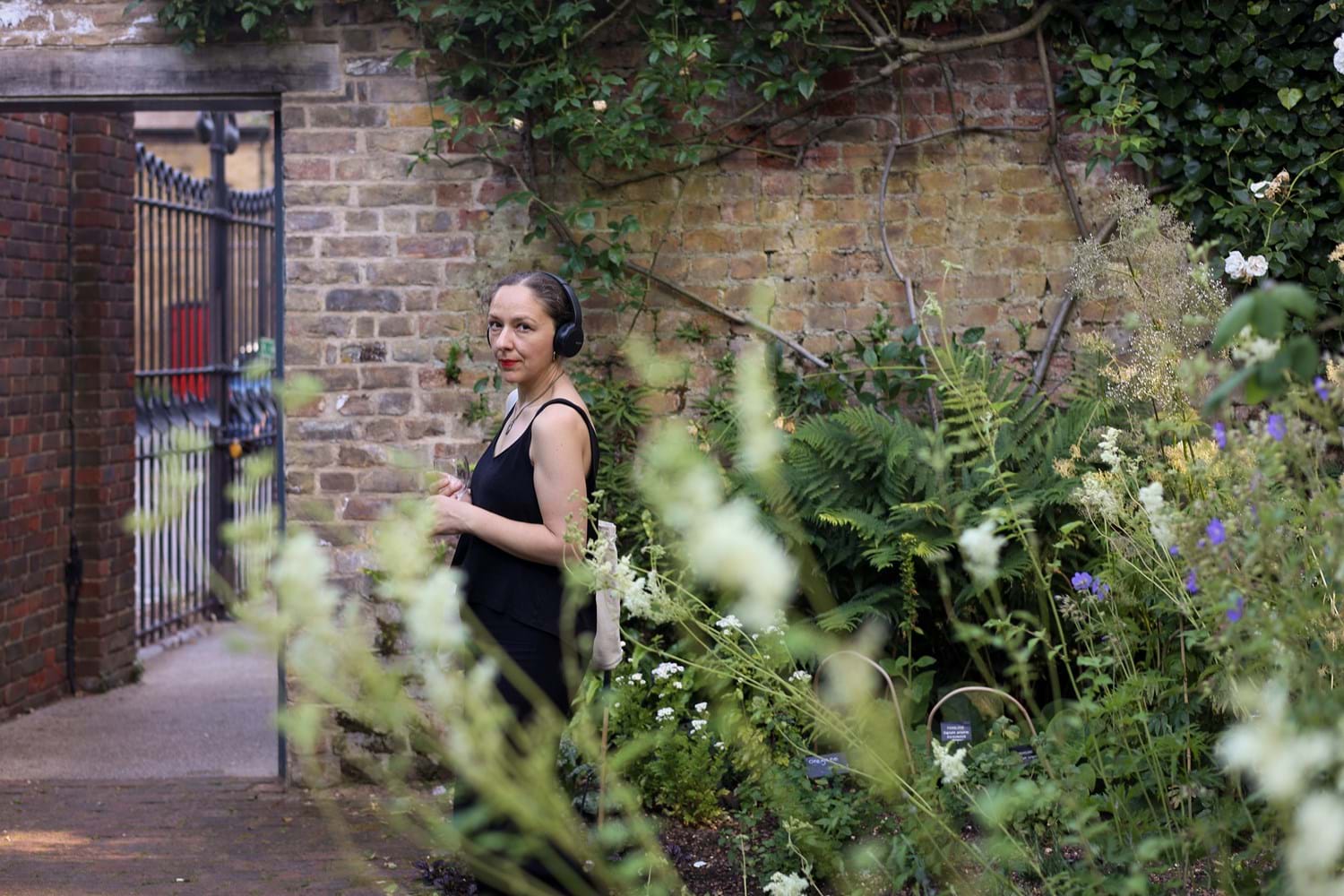
Marking the close of the audio installation Women’s Weeds by Dr. Romany Reagan, you are invited to join us for a talk exploring the role of women in healing during the late mediaeval and early modern eras (15th to 17th centuries).

Herbal Remedies, Folk Medicine & Kitchen Physick: The Secrets of Mediaeval Women Healers will uncover how women shared healing practices in a sisterhood of secret knowledge that was handed down through generations.

This event marks the closure of Women’s Weeds. You can listen now to the audio installation in our gardens, or on Bloomberg Connects.

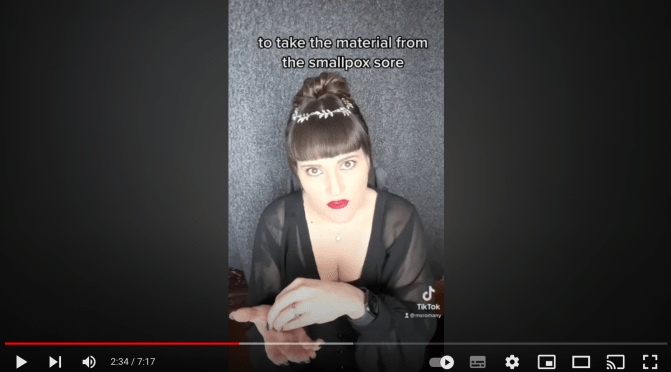
Hidden history of women healers in the eradication of smallpox

When we think of the eradication of the smallpox disease today, we think of the groundbreaking vaccine developed by Dr Jenner — but where did the original knowledge of smallpox inoculation (the knowledge on which the eventual vaccine was based) come from? We actually owe our thanks to the ancient practices kept alive by women healers in Greece, Turkey, China, India, and Africa. Basically, everywhere in the world *except* Western Europe…

What does the English Civil War have to do with feminist medicine?

In this video, I explain how the chaos of the English Civil War led to relaxed print censorship, increased literacy, and a boom time for female-focused medical books — the origin of the printed family herbal book. 

Why is the stereotypical image we have of a witch always a woman?

In this short history, I pinpoint the exact year in mediaeval Europe when the idea of the inherent character of the Satanic witch as female began — and also explain how the blame for this misogynist bull really comes down to just a few travelling preachers. 

Hidden Histories of Jewish & Muslim Medical Women in Mediaeval Europe

In testimony at her trial in 1410, the surgeon Perretta Petone claimed that ‘many women’ like her were practising all over Paris. While she may have been exaggerating for rhetorical effect, Perretta was certainly right that she was not alone as a female in medical practice. From the famous Surgeon Hersende, who accompanies St Louis on Crusade in 1250 and who would later marry a Parisian apothecary, to various Jewish eye doctors in 15th-century Frankfurt, to phlebotomists at the French Dominican nunnery of Longchamp, to Muslim midwives at the royal court of Navarre—whether they were surgeons or optometrists, barbers or herbalists or simply ‘healers’ (metgessa, medica, miresse, or arztzatin), women were almost always among the range of practitioners who offered their services in the western European medical marketplace from the 12th through 15th centuries. (Green 2008 [b] 120)

A great diversity of women practised some form of medicine throughout Europe in the Middle Ages (500-1500). Medical historians have identified a wide variety of female practitioners—from various regions, faiths, and social classes—engaged in general healing as well as specialised branches of medicine, including surgery, barber-surgery, and apothecary. Moreover, these female practitioners had the freedom and legal right to practise their healing arts. These rights were not taken away in systematic broad measures until the 14th century.  

The open existence of officially sanctioned women healers came sputtering to a halt with the widespread establishment of European universities and the accompanying degrees and licences necessary to practise medicine. A licence to practise medicine as a physician could only be obtained after completing a university education—and women were banned from attending university so… that should have been that.

Continue reading Hidden Histories of Jewish & Muslim Medical Women in Mediaeval Europe

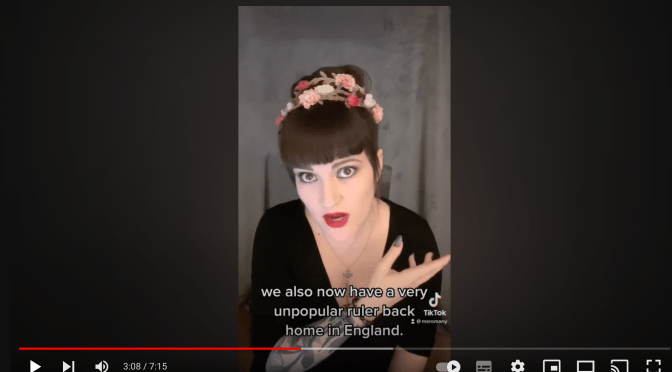
‘Women’s Weeds’ Research Journal — VIDEO: Exploitation of 17th & 18th Century Folk Healers by the Professionalised Medical Community

A potted history of the exploitation of folk healers in Europe, as well as in conquered lands (the Americas, West Indies), in the 17th & 18th century by the professionalised medical community—with a special focus on how this impacted female folk healers.