Category Archives: Medicine

‘The Coming of Age’ Exhibition at the Wellcome Collection in London

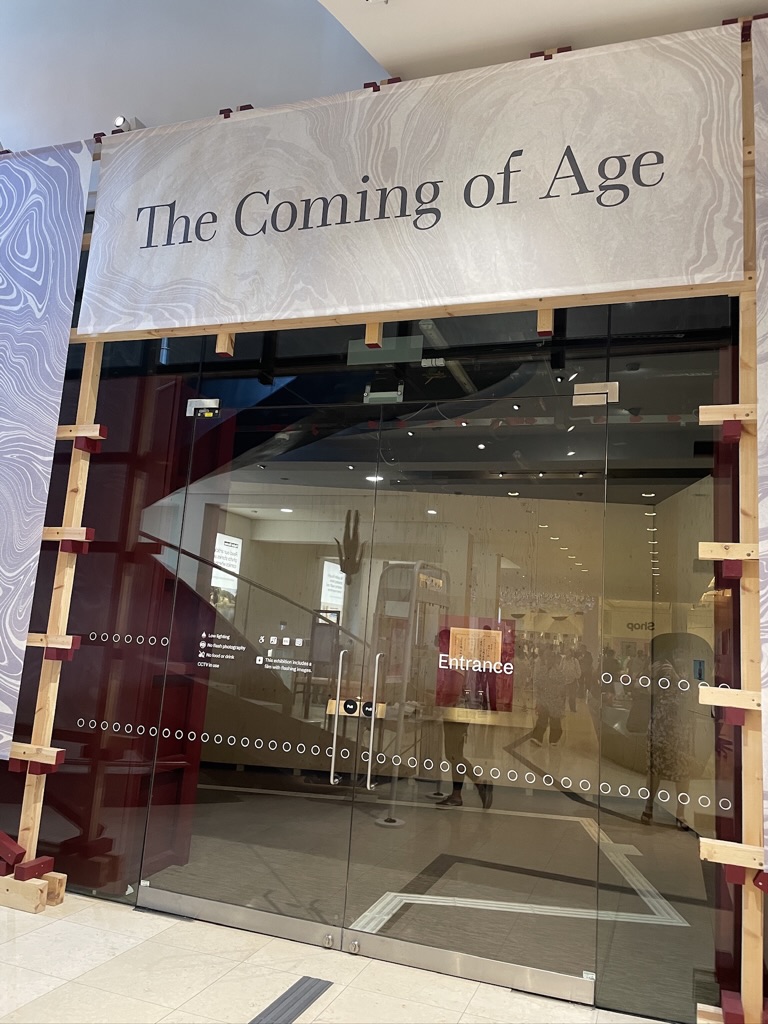
I recently visited the ‘The Coming of Age’ exhibition, currently on at the Wellcome Collection through November 29th 2026. The main takeaway, for me, from this thought-provoking installation is that we need to rethink what aging means in a society that is living and working and thriving well into what were previously considered ‘elder’ and ‘fading’ years.

With people choosing to have fewer children – and those they do have later in life (ahem!) – it means that people who are now considered ‘old’ we will be a greater percentage of our population than ever before. And this percentage is only set to increase as time goes by.

However, if older people are living well and happy and feeling productive, then what is ‘old’ anyway? And older than whom? Youth-centric culture that idolises your 20s and throws women away after you’re 40 makes less and less sense when ‘youth’ are in the minority and the vast majority of our lives is spent in the increasingly inaccurate demographic label of ‘old’.

Do some morning pilates for your joints, pack your reading glasses, and sashay your elderly self down to check it out!

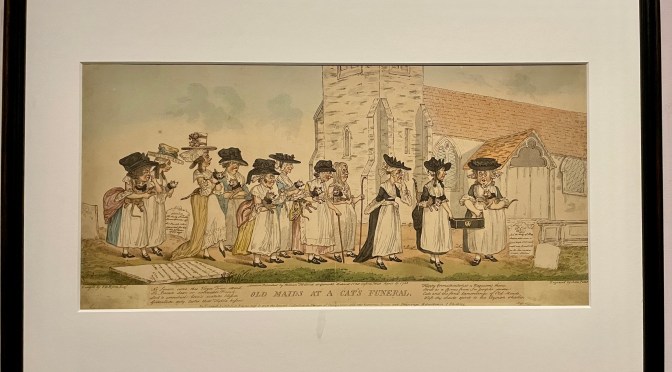
Here are some of my favourite highlights from the exhibition.

Continue reading ‘The Coming of Age’ Exhibition at the Wellcome Collection in London

Live talk at the Museum of the Home in London, Thursday 12th June 2025, 6:30pm: ‘Ancient Herbal Remedies & Fertility Management — The Secrets of Mediaeval & Early Modern Midwives’

*** Buy tickets here!!! ***

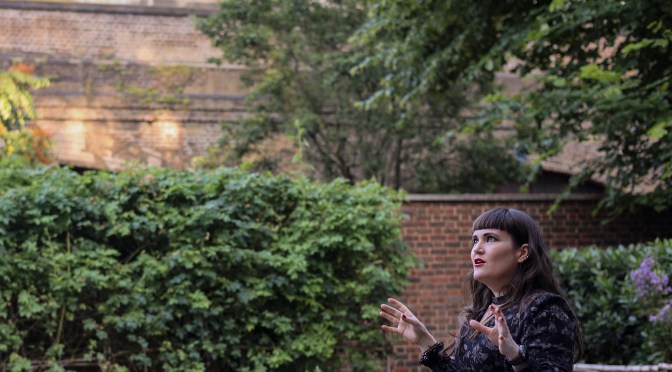
Join Dr Romany Reagan and Kerry Lemon for an exclusive after-hours event at the Museum of the Home, followed by a group walk to Ruup & Form for an intimate viewing of SIMPLING led by the artist. We’ll begin in the herb gardens at the Museum of the Home, where there will be a wine reception and access to explore the Gardens Through Time after hours. Then Romany will give a talk exploring the roots of women-led fertility management through the lens of herbal history. We’ll uncover the often-overlooked practices of mediaeval and early modern healers — women who passed down their knowledge orally, from mother to daughter, from midwife to apprentice. Their methods of community care were rarely recorded in written form, so uncovering these methods of reproductive control are their most secret knowledge of all.

Continue reading Live talk at the Museum of the Home in London, Thursday 12th June 2025, 6:30pm: ‘Ancient Herbal Remedies & Fertility Management — The Secrets of Mediaeval & Early Modern Midwives’

What does the English Civil War have to do with feminist medicine?

In this video, I explain how the chaos of the English Civil War led to relaxed print censorship, increased literacy, and a boom time for female-focused medical books — the origin of the printed family herbal book. 

Hidden Histories of Jewish & Muslim Medical Women in Mediaeval Europe

In testimony at her trial in 1410, the surgeon Perretta Petone claimed that ‘many women’ like her were practising all over Paris. While she may have been exaggerating for rhetorical effect, Perretta was certainly right that she was not alone as a female in medical practice. From the famous Surgeon Hersende, who accompanies St Louis on Crusade in 1250 and who would later marry a Parisian apothecary, to various Jewish eye doctors in 15th-century Frankfurt, to phlebotomists at the French Dominican nunnery of Longchamp, to Muslim midwives at the royal court of Navarre—whether they were surgeons or optometrists, barbers or herbalists or simply ‘healers’ (metgessa, medica, miresse, or arztzatin), women were almost always among the range of practitioners who offered their services in the western European medical marketplace from the 12th through 15th centuries. (Green 2008 [b] 120)

A great diversity of women practised some form of medicine throughout Europe in the Middle Ages (500-1500). Medical historians have identified a wide variety of female practitioners—from various regions, faiths, and social classes—engaged in general healing as well as specialised branches of medicine, including surgery, barber-surgery, and apothecary. Moreover, these female practitioners had the freedom and legal right to practise their healing arts. These rights were not taken away in systematic broad measures until the 14th century.  

The open existence of officially sanctioned women healers came sputtering to a halt with the widespread establishment of European universities and the accompanying degrees and licences necessary to practise medicine. A licence to practise medicine as a physician could only be obtained after completing a university education—and women were banned from attending university so… that should have been that.

Continue reading Hidden Histories of Jewish & Muslim Medical Women in Mediaeval Europe