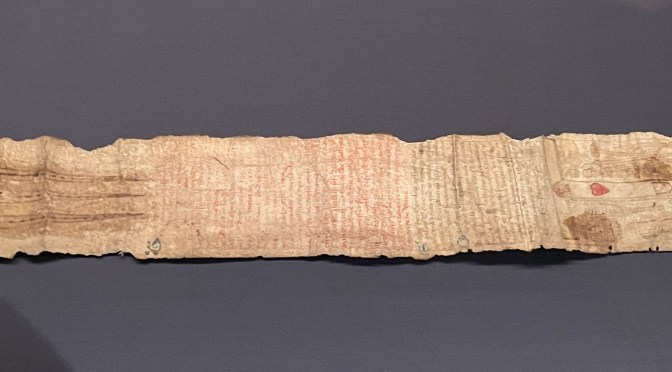
This new exhibition explores the protective practices and beliefs around pregnancy, childbirth, and infertility that existed in mediaeval times and continue through to today. However, my interest in going was to see the star of the show—an actual surviving mediaeval pregnancy protection scroll.
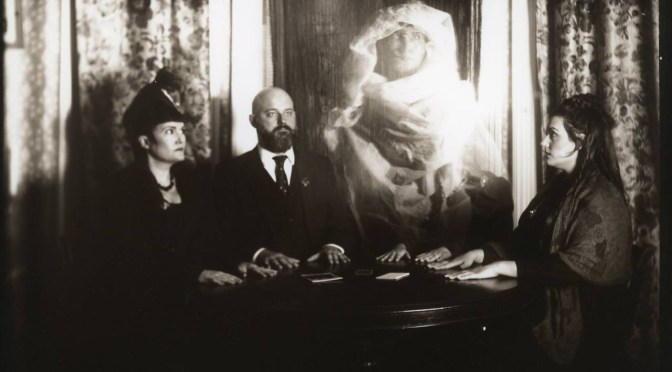
What comes to mind when you envision a séance? Do you see the atmospheric drama of a Victorian drawing room, hands clasped in the flickering candlelight? Or perhaps giggling teenagers nervously trying out a Ouija board? What probably doesn’t come to mind are UCL professors conducting scientific experiments, or activists fighting for the rights of women and the working class.
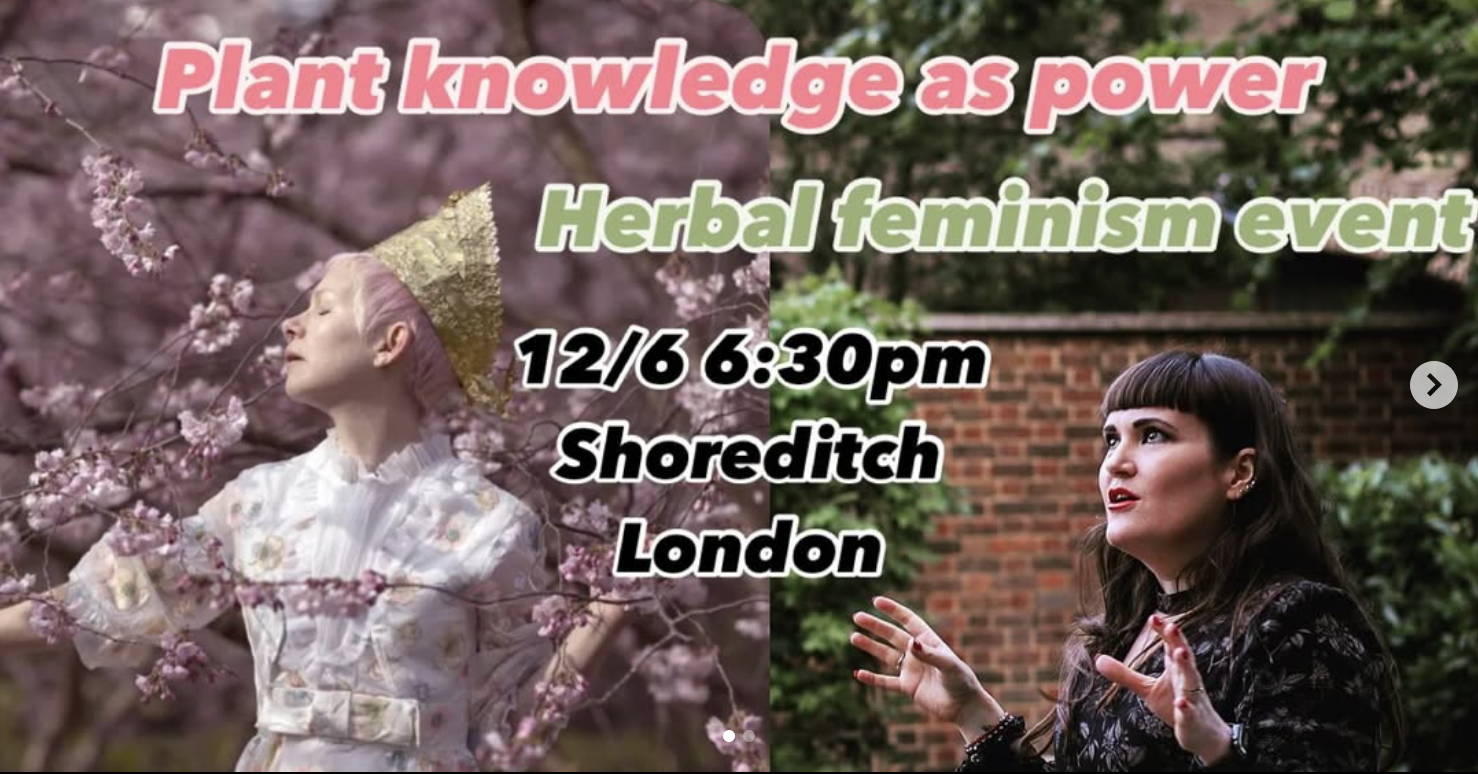
Join Dr Romany Reagan and Kerry Lemon for an exclusive after-hours event at the Museum of the Home, followed by a group walk to Ruup & Form for an intimate viewing of SIMPLING led by the artist. We’ll begin in the herb gardens at the Museum of the Home, where there will be a wine reception and access to explore the Gardens Through Time after hours. Then Romany will give a talk exploring the roots of women-led fertility management through the lens of herbal history. We’ll uncover the often-overlooked practices of mediaeval and early modern healers — women who passed down their knowledge orally, from mother to daughter, from midwife to apprentice. Their methods of community care were rarely recorded in written form, so uncovering these methods of reproductive control are their most secret knowledge of all.
Ticket price includes lecture entry, pop-up exhibition, and wine reception.
This International Women’s Day, join us for an evening lecture with resident research fellow Dr Romany Reagan where she’ll share her discoveries of how the women of Sutton House fit into the nation’s history! Times: 6.30pm entry, Talk 7-8pm
History is most often recorded as a long list of men and their deeds, with only passing mention of their wives. However, within the history of Sutton House, we have the opportunity to uncover a different story. The house has been a residence for over 500 years; tallying up the records, we find that women held a controlling interest in the property for more than half of its history. This means that the main narrative of Sutton House is actually not the story of men and their wives — it’s the story of women and their goals.
Do you have mint tea in your cupboard? Grow rosemary in your garden? Or perhaps eat ginger when you have an upset stomach?
Then your home is a living museum, continuing the traditions that women have practised for hundreds of years for health and healing. This wisdom comes from the time when food was medicine, the kitchen was the apothecary, and healing was women’s domain.
Marking the close of the audio installation Women’s Weeds by Dr. Romany Reagan, you are invited to join us for a talk exploring the role of women in healing during the late mediaeval and early modern eras (15th to 17th centuries).
Herbal Remedies, Folk Medicine & Kitchen Physick: The Secrets of Mediaeval Women Healers will uncover how women shared healing practices in a sisterhood of secret knowledge that was handed down through generations.
Happy 1st of September! You know what this means?? Officially only one month until !OCTOBER! London Month of the Dead have a fabulous calendar of spooky delights for you!
HAUNTED BLOOMSBURY – Spiritualism and Ghost Stories in WC1 An Audio Guided Tour and Map Book with Dr Romany Reagan
ABOUT Take a journey through darker Bloomsbury as your tour guide Dr Romany Reagan leads you through the occult pathways and hidden histories of this birthplace of British Spiritualism.
The Victorians were fascinated by a wide range of phenomena that might loosely be termed the ‘occult’. In their search for meaning in their mortality during an increasingly secularised age, interest in Spirituality and connections ‘beyond the veil’ touched almost every aspect of Victorian life, from scientific study to literature. Tracing Spiritualism’s lines of origin, we’re driven through these occult pathways into the heart of Bloomsbury. Join your tour guide, Dr Romany Reagan, for an evening stalk of gothic intrigues and Victorian ghosts.
WHAT YOU GET – An A5 full colour map and guide book – Each book comes with a download or streaming code so that you can take your tour at any time alone or with a friend
Throughout history, using legend and lore, we have sought to understand this night-time adventure. Witches have been condemned as the conjurers of nightmare sleep paralysis and faeries blamed for time loss or sleep-walking; we convince ourselves that ghostly spirits visit us at night with messages of hope or portents of danger.
The Nightmare by Henry Fuseli, 1781
In this illustrated lecture, Dr Romany Reagan will explore the creatures and meanings that fill our dreamscapes, from mediaeval British horrors to 19th-century curiosities and theories—and how these nocturnal happenings can play out in our waking lives.
Dr. Romany Reagan is an Arts Council England-funded research fellow with Museum of the Home, studying the hidden histories of women in Science, Technology, Engineering and Mathematics, from mediaeval cunning women and herbal witchcraft to 19th-century feminist botany. Her research has explored the layers of heritage within Abney Park cemetery and an occult literary heritage of London’s Stoke Newington area, as well as ‘earth mystery’, psychogeography and folklore, legends and lore from the British Isles.
This event is part of the Museum of the Home’s Festival of Sleep, running from June through September 2022.
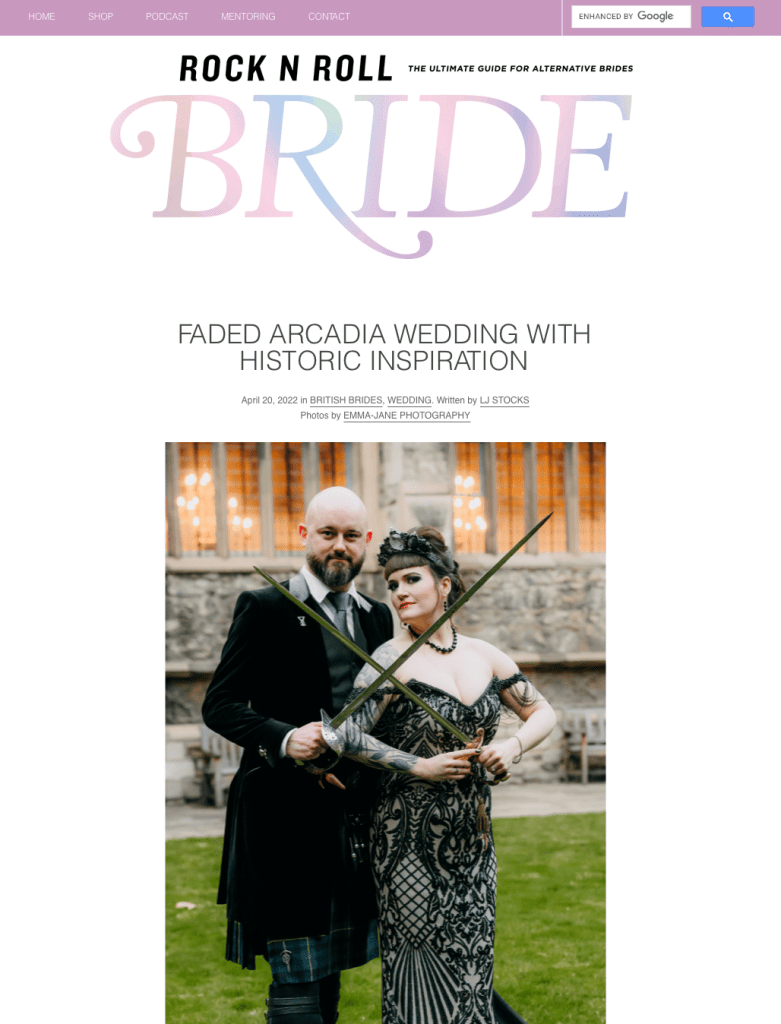
Romany found Andy under a tree on Hampstead Heath at an ‘Alternative Picnic’ and a year and a half later they were engaged. Their wedding concept was inspired by rich fabrics, autumnal colours and the history of their venue, The Charterhouse in London.
This event marks the beginning of our Winter Festival as we all prepare our homes for the coming winter. As well as experiencing our galleries after hours, this Night In has a workshop, talks and music for all things magical.
Visit our home protections charms workshop with Dr Rebecca Beattie
Attend talks on witchcraft and folklore with Dr Christina Oakley Harrington and Dr Romany Reagan
Try our bespoke ‘hedge witch’ cocktail bar
Enjoy delicious food with cheese toasties from Grate & Grill and vegan/gluten free salads and fritters from Dorothy’s Deli
Dance to a DJ set by DJ AndyRavenSable and a live musical performance by ‘broken folk’ band the Lunatraktors
North London has quite a gothic pedigree. From Bram Stoker’s Lucy Westenra stalking Hampstead Heath to Stephen King’s terrifying Crouch End ‘Towen’, an otherworldly atmosphere lingers here. The region has captured the imagination of writers through the ages, casting the area as both friend and foe.
William Blake felt uneasy in North London. Shortly before his death, in a letter to painter and friend John Linnell, Blake said: “When I was young, Hampstead, Highgate, Hornsey, Muswell Hill, and even Islington, and all places North of London, always laid me up the day after and sometimes two or three days.”[1] It is rather strange that he kept going back, if these persistent physical ailments always followed the journey. Perhaps there was something about the otherworldliness of North London that drew Blake almost as a siren call.