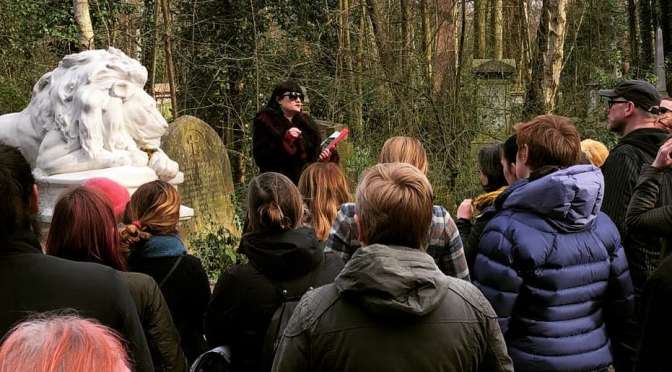
Live talk at Sutton House in London for Hackney History Festival, Sunday 10th May 2026, 10am: ‘A Quiet Roar: Untold Stories of the Women of Sutton House’
*** Tickets only £3! Book here!! ***
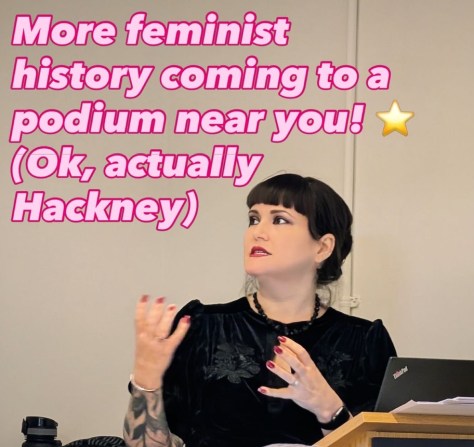
History is most often recorded as a long list of men and their deeds, with only passing mention of their wives. However, within the history of Sutton House, we have the opportunity to uncover a different story. The house has been a residence for over 500 years; tallying up the records, we find that women held a controlling interest in the property for more than half of its history. This means that the main narrative of Sutton House is actually not the story of men and their wives — it’s the story of women and their goals.
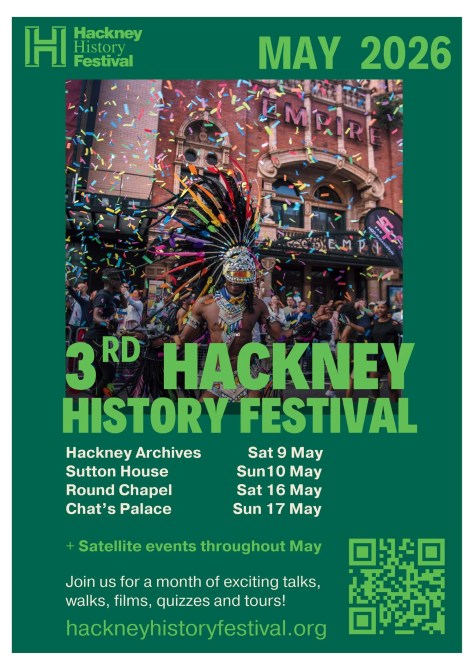
Live talk at the Bank of England Museum in London, Tuesday 11th November 2025, 12:30pm: ‘A (Séance) Room of One’s Own: The socially subversive origins of British Spiritualism’
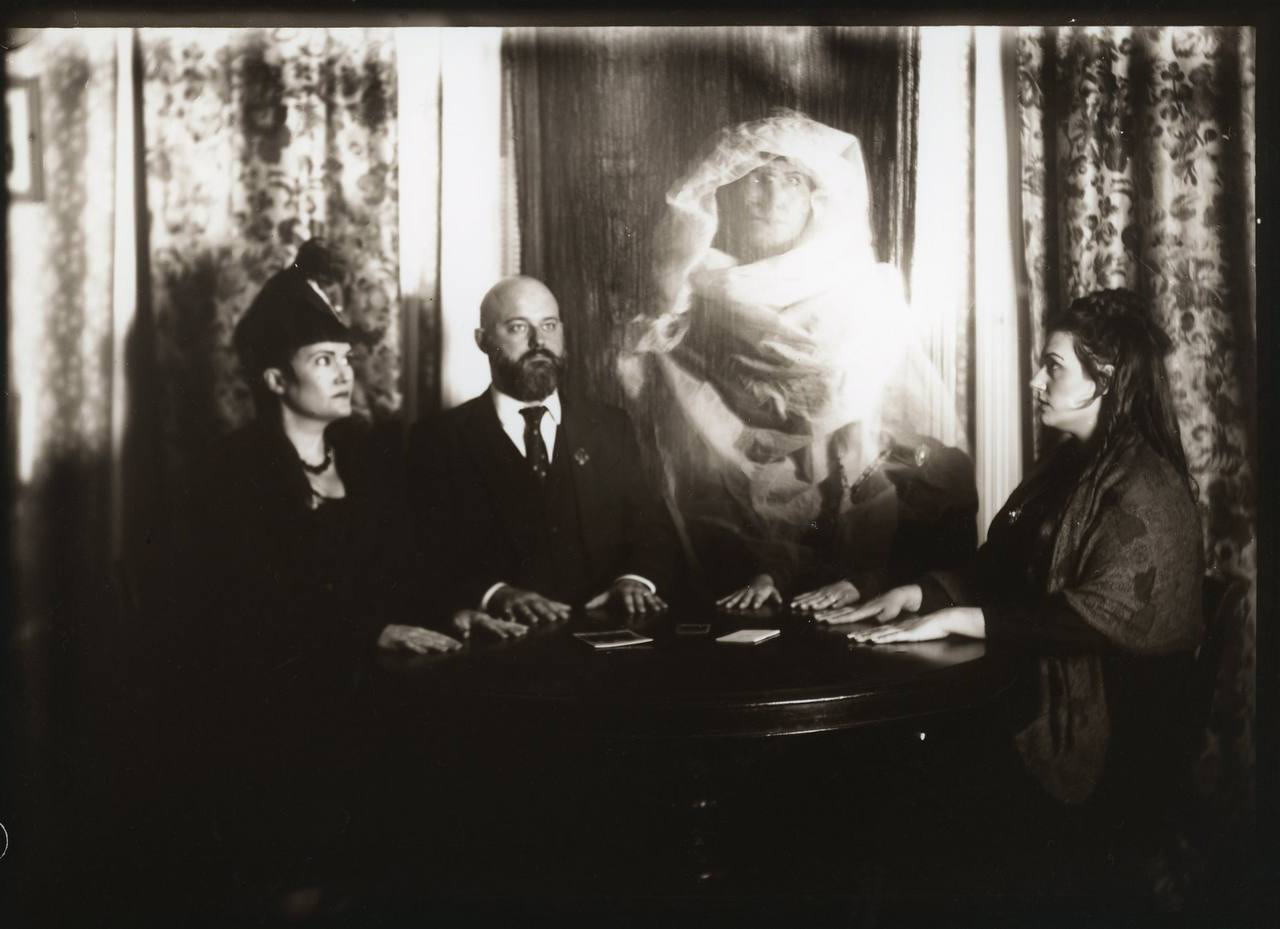
*** This talk is • FREE! • But booking is essential. Reserve your ticket here ***
What comes to mind when you envision a séance? Do you see the atmospheric drama of a Victorian drawing room, hands clasped in the flickering candlelight? Or perhaps giggling teenagers nervously trying out a Ouija board? What probably doesn’t come to mind are UCL professors conducting scientific experiments, or activists fighting for the rights of women and the working class.
Our modern-day understanding of the Spiritualism movement in the late 1800s has often been misunderstood and reduced to parlour tricks; but the ideas shared and explored at that time broke through boundaries of gender and class dynamics. It was a social movement as much as a paranormal movement, and women in particular were leaders within it.
British Spiritualism rose in tandem with the British Suffragette movement and, while there are clear differences between the two, by delving into the birth of British Spiritualism we discover a newly blooming and subversive national identity of rebellion that continued to change and grow throughout the 20th century − fuelled by the tragedies of two world wars that gave the movement momentum. In this illustrated lecture, Dr Romany Reagan will delve into the origins and multifaceted dynamics of the Spiritualism movement to explore how a belief in ghosts was just the beginning.
Live talk at the Folk & Fable Festival in Battle, East Sussex, Saturday 23rd August 2025, 3pm: ‘Witches, Faeries & Ghosts: Our dreamscapes of legend & lore’
Witches, Faeries & Ghosts: Our dreamscapes of legend & lore
Where do we go when we dream?
Throughout history, using legend and lore, we have sought to understand this night-time adventure. Witches have been condemned as the conjurers of nightmare sleep paralysis and faeries blamed for time loss or sleep-walking; we convince ourselves that ghostly spirits visit us at night with messages of hope or portents of danger.
In this illustrated lecture, Dr Romany Reagan will explore the creatures and meanings that fill our dreamscapes, from mediaeval horrors to 19th-century curiosities and theories—and how these nocturnal happenings can play out in our waking lives.
Live talk at the Museum of the Home in London, Thursday 12th June 2025, 6:30pm: ‘Ancient Herbal Remedies & Fertility Management — The Secrets of Mediaeval & Early Modern Midwives’
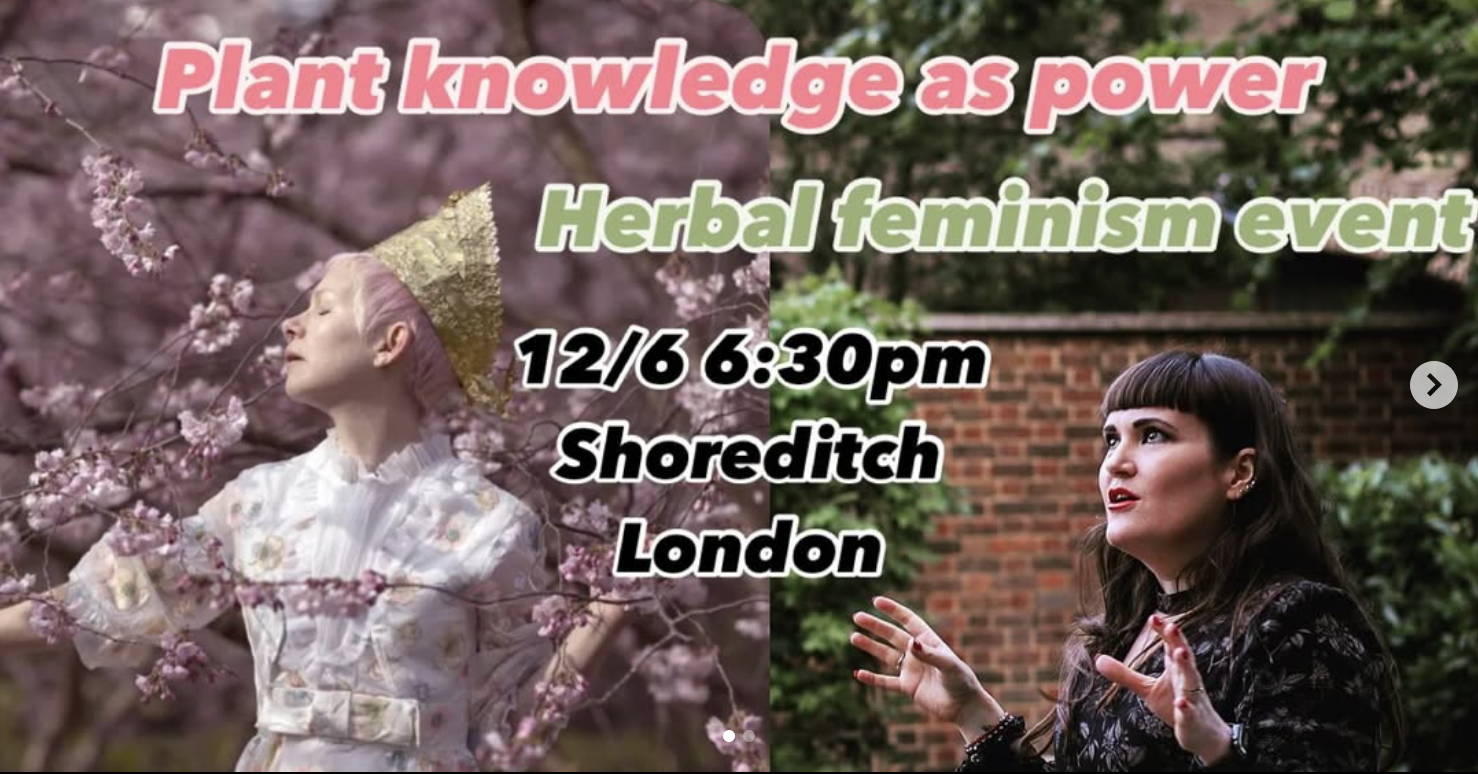
Join Dr Romany Reagan and Kerry Lemon for an exclusive after-hours event at the Museum of the Home, followed by a group walk to Ruup & Form for an intimate viewing of SIMPLING led by the artist. We’ll begin in the herb gardens at the Museum of the Home, where there will be a wine reception and access to explore the Gardens Through Time after hours. Then Romany will give a talk exploring the roots of women-led fertility management through the lens of herbal history. We’ll uncover the often-overlooked practices of mediaeval and early modern healers — women who passed down their knowledge orally, from mother to daughter, from midwife to apprentice. Their methods of community care were rarely recorded in written form, so uncovering these methods of reproductive control are their most secret knowledge of all.
Live talk at Sutton House in London, Friday March 8th 7pm 2024 for International Women’s Day: ‘A Quiet Roar — Untold stories of the Women of Sutton House’
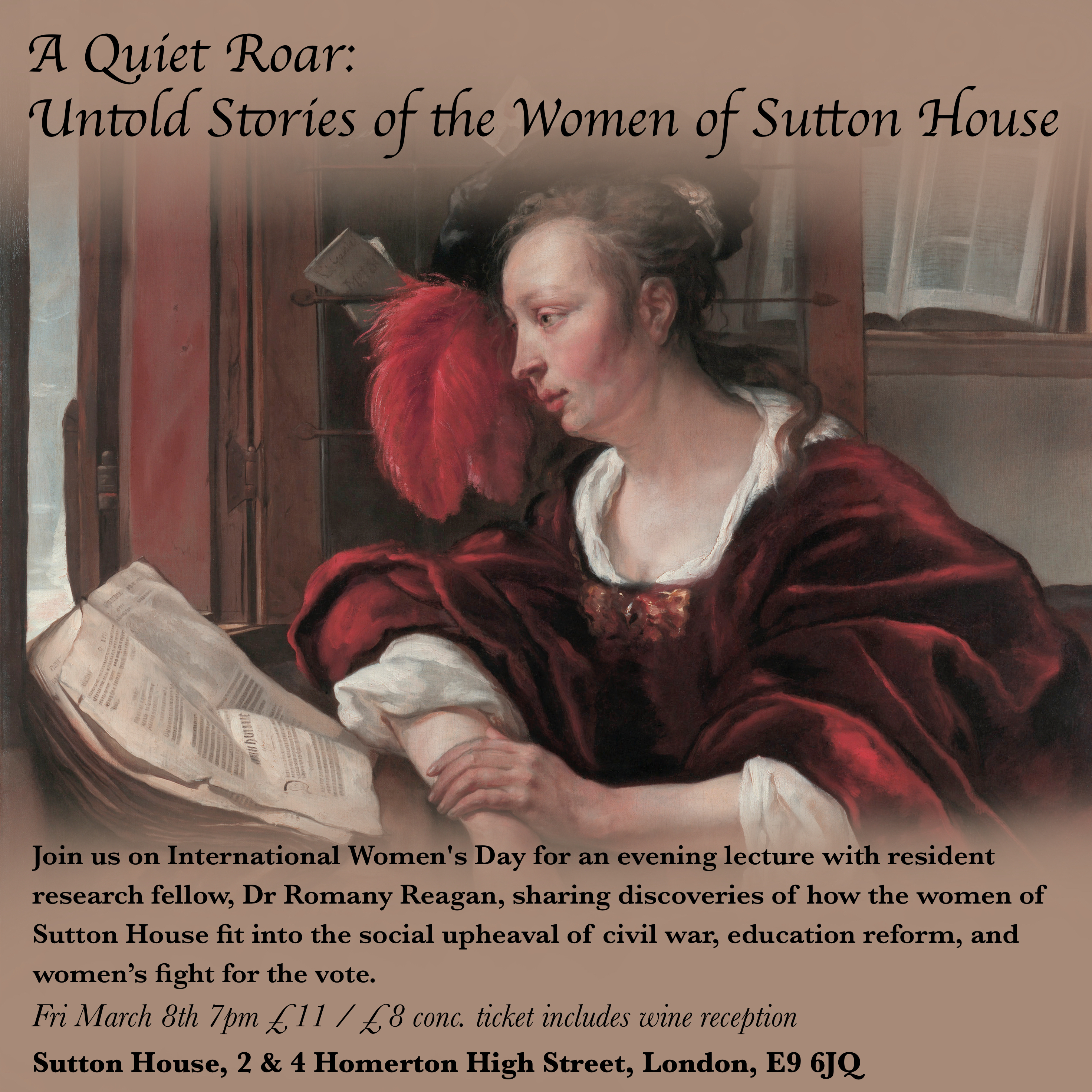
Ticket price includes lecture entry, pop-up exhibition, and wine reception.
This International Women’s Day, join us for an evening lecture with resident research fellow Dr Romany Reagan where she’ll share her discoveries of how the women of Sutton House fit into the nation’s history! Times: 6.30pm entry, Talk 7-8pm
History is most often recorded as a long list of men and their deeds, with only passing mention of their wives. However, within the history of Sutton House, we have the opportunity to uncover a different story. The house has been a residence for over 500 years; tallying up the records, we find that women held a controlling interest in the property for more than half of its history. This means that the main narrative of Sutton House is actually not the story of men and their wives — it’s the story of women and their goals.
Ursula Machell snuck in the backdoor of her own house to hold it against her husband’s creditors in 1598. Sarah Freedman founded a girls school in 1657, which she ran on her own for 43 years. Eliza Temple founded her girls school in 1837, and later stood up to be counted for women’s suffrage — 62 years before women would finally win the vote. Mehetabel Ball sold and developed the land around Sutton House in 1865 to create the footprint of Hackney that we know today, naming both Mehetabel Road and Isabella Road after her daughters. Poring through the archives and research notes currently held in the collection, it became clear that there have been many strong women who have called the oldest building in Hackney home, they just haven’t had their time in the spotlight. Until now.
Live talk at the Museum of the Home in London Sat 30th Sept: Herbal Remedies, Folk Medicine & Kitchen Physick: The Secrets of Mediaeval Women Healers
30th September 2023

Do you have mint tea in your cupboard? Grow rosemary in your garden? Or perhaps eat ginger when you have an upset stomach?
Then your home is a living museum, continuing the traditions that women have practised for hundreds of years for health and healing. This wisdom comes from the time when food was medicine, the kitchen was the apothecary, and healing was women’s domain.
Marking the close of the audio installation Women’s Weeds by Dr. Romany Reagan, you are invited to join us for a talk exploring the role of women in healing during the late mediaeval and early modern eras (15th to 17th centuries).
Herbal Remedies, Folk Medicine & Kitchen Physick: The Secrets of Mediaeval Women Healers will uncover how women shared healing practices in a sisterhood of secret knowledge that was handed down through generations.
This event marks the closure of Women’s Weeds. You can listen now to the audio installation in our gardens, or on Bloomberg Connects.
The Devil Wears Nada: Fear of women, an invented conspiracy & the insidious legacy of the European witch trials at the Old Operating Theatre
25th May 2023
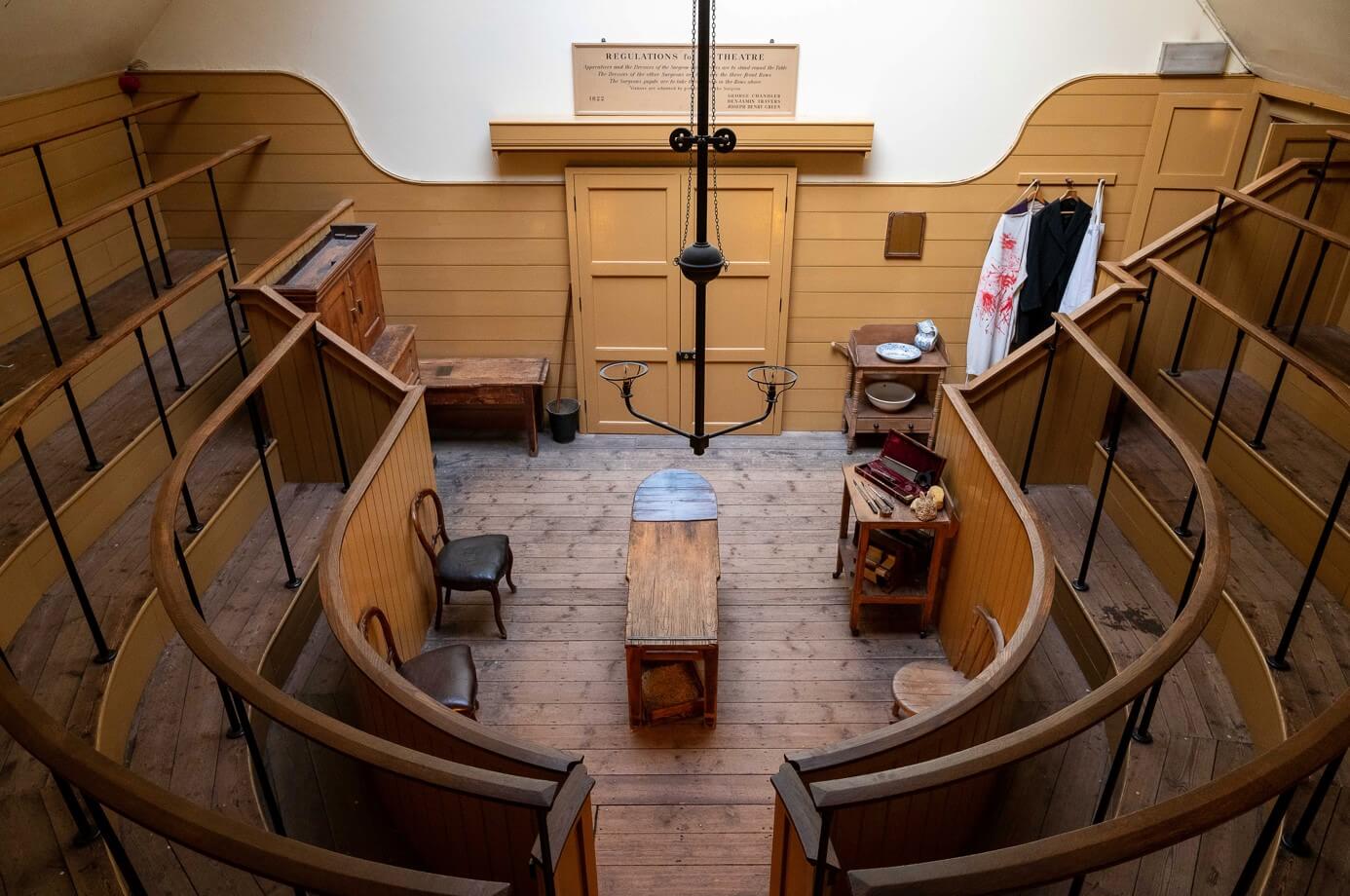
The European witch trials have provided rich soil for historians. The tumultuous economic, political, religious, and cultural changing dynamics over the course of the 400-year span of terror and hate have led to a complex field of analysis, rife with disagreement and conflicting perspectives. But there is a pattern that emerges through the study of these trials—the stark demographic shifts of the accused. We can track the evolution of these fears by the evolution of their victims: from male learned sorcerers (1300s), to mostly female (supposed) devil-worshipping witches (1400s), to the full-scale woman-hunt of the Essex Assizes (1500s and 1600s). The repercussions of this Early Modern picture of women as weak, dangerous, sexually out of control, and evil had insidious and long-term effects beyond the trials. Long after the last witch was hanged and society claimed to have moved on from a belief in a satanic conspiracy of witches, the legacy of the European witch trials remained in the cultural psyche through a belief in female inferiority and unsuitability for learned fields, particularly that of medicine. This talk offers a deep dive into the long-timeline European Witch Trials (1300s-1700s), the various cultural shifts that led to this shocking massacre of women, and what price subsequent generations have paid in the feminist fight for equality.
Spirits of Bloomsbury at the Horse Hospital in London
24th May 2023
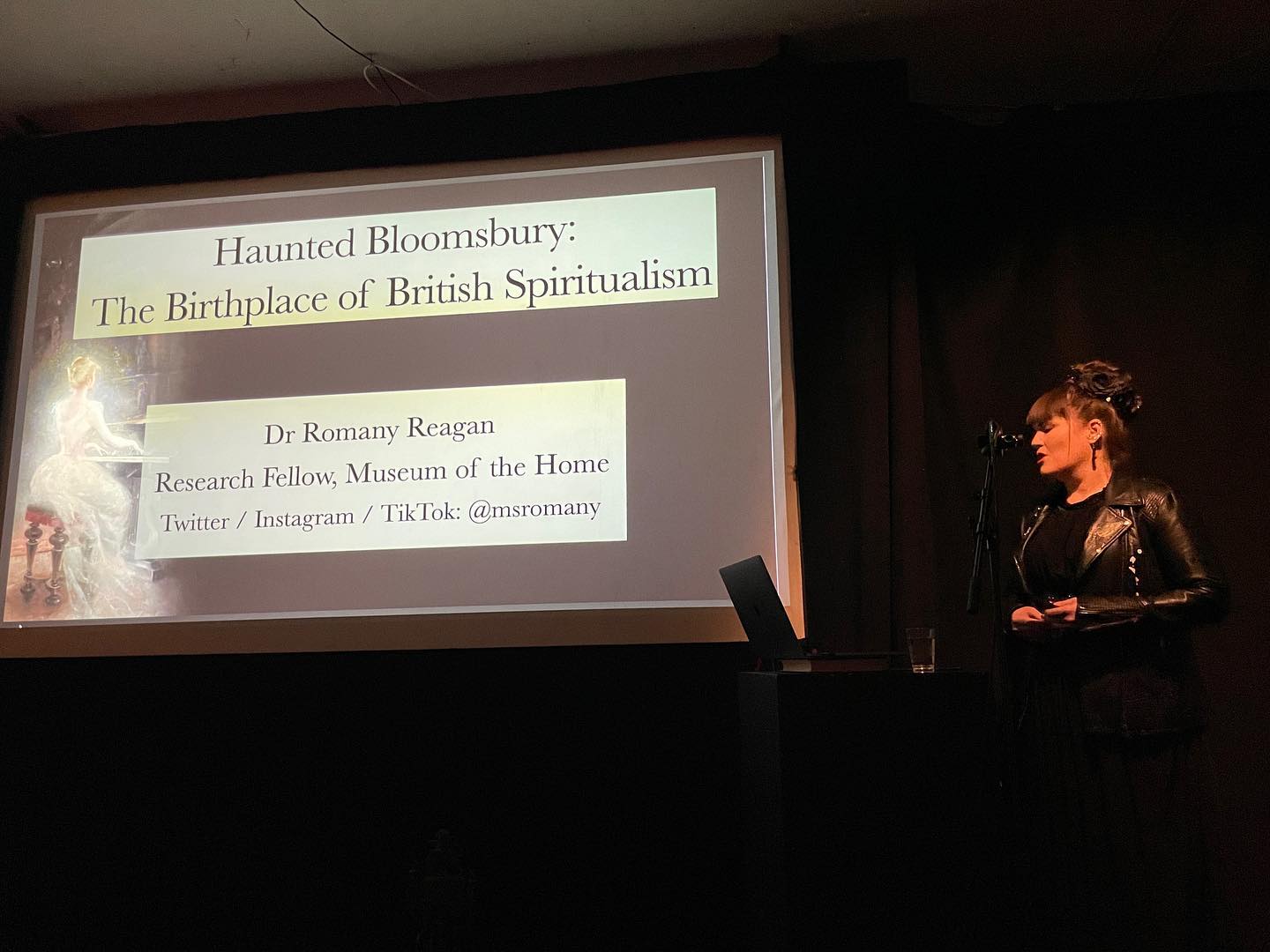
Bloomsbury was the birthplace of British Spiritualism. During an increasingly secularised age, interest in spirituality and connections ‘beyond the veil’ touched almost every aspect of Victorian life—in particular via the séance. Tracing spiritualism’s lines of origin, Dr Romany Reagan guides us along occult pathways into the heart of Bloomsbury darkness, exploring the domains of both intellectual elites discussing Swedenborg and Blake, and those for whom the area was a centre of esoteric experimentation, female liberation, drunkenness, gothic intrigue, and secret societies.
All October Long! ‘Haunted Bloomsbury Audio Walk: Spiritualism & Ghost Stories in WC1’ as part of London Month of the Dead
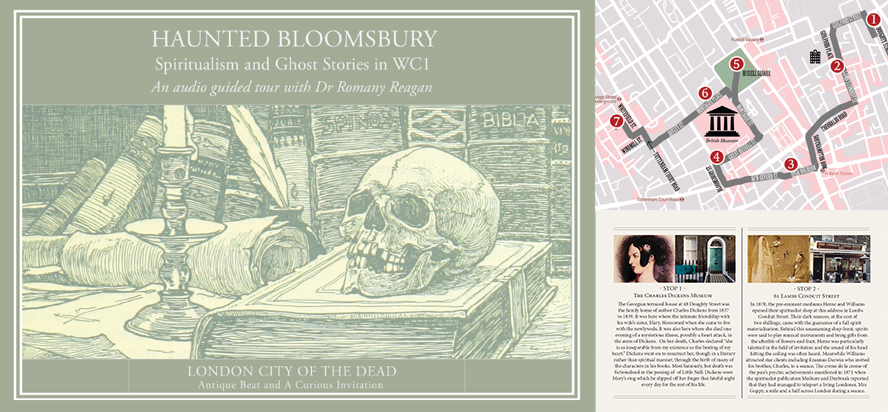 HAUNTED BLOOMSBURY – Spiritualism and Ghost Stories in WC1
An Audio Guided Tour and Map Book with Dr Romany Reagan
ABOUT
Take a journey through darker Bloomsbury as your tour guide Dr Romany Reagan leads you through the occult pathways and hidden histories of this birthplace of British Spiritualism.
The Victorians were fascinated by a wide range of phenomena that might loosely be termed the ‘occult’. In their search for meaning in their mortality during an increasingly secularised age, interest in Spirituality and connections ‘beyond the veil’ touched almost every aspect of Victorian life, from scientific study to literature. Tracing Spiritualism’s lines of origin, we’re driven through these occult pathways into the heart of Bloomsbury. Join your tour guide, Dr Romany Reagan, for an evening stalk of gothic intrigues and Victorian ghosts.
01/10/2022 – Live Talk in London, Sat 1st October 2022 – Witches, Faeries & Ghosts: Our Dreamscapes of Legend & Lore

Saturday October 1st, 6pm at the Museum of the Home, 136 Kingsland Road, London E2 8EA
Tickets £7 and includes wine!
Where do we go when we dream?
Throughout history, using legend and lore, we have sought to understand this night-time adventure. Witches have been condemned as the conjurers of nightmare sleep paralysis and faeries blamed for time loss or sleep-walking; we convince ourselves that ghostly spirits visit us at night with messages of hope or portents of danger.
29/10/2021 – MUSEUM LATE – Illustrated talks on witchcraft & folklore, witch bottle making workshop, live music — ‘NightIn: Magical Home Protection’

We’re holding our first-ever #museumlate at @MuseumoftheHome!  For #Halloween
  we’re hosting an evening of #witchbottle making workshop by @rebeccambeattie, talks on #witchcraft (by Christina, founder of @treadwells) & #Folklore (by me!), cheese toasties + vegan deli trucks, bespoke #HedgeWitch herbaceous cocktail bar
  spooky tunes DJ set by @andyravensable
  & live music by ‘broken folk’ band @lunatraktors


 Come play with us!!!
https://www.museumofthehome.org.uk/whats-on/events/night-in-magical-home-protection/
This event marks the beginning of our Winter Festival as we all prepare our homes for the coming winter. As well as experiencing our galleries after hours, this Night In has a workshop, talks and music for all things magical.
- Visit our home protections charms workshop with Dr Rebecca Beattie
- Attend talks on witchcraft and folklore with Dr Christina Oakley Harrington and Dr Romany Reagan
- Try our bespoke ‘hedge witch’ cocktail bar
- Enjoy delicious food with cheese toasties from Grate & Grill and vegan/gluten free salads and fritters from Dorothy’s Deli
- Dance to a DJ set by DJ AndyRavenSable and a live musical performance by ‘broken folk’ band the Lunatraktors
28/10/2021 – PANEL DISCUSSION for the Museum of the Home – ‘Home Truths: Keeping a Magical Home’

I’m chairing a panel discussion this Thursday 28/10 7pm with Sim Gray of #ZeroFoolsTarot @zero_foolstarot; Raqia Nur #witchcraft historian @raqianur; Alex David, practicing witch @burningbayleaves; Brooke Palmieri #CampBooks @camp.books for the @MuseumoftheHome #HomeTruths ‘Keeping a Magical Home’ — and there will be mulled wine! 
October is a time to prepare the home for the coming winter, to lay down stores and tend to our inner life and Halloween marks the beginning of these preparations.
Join us as we discover how contemporary magical practitioners prepare their homes for Winter.
Enjoy a glass of mulled wine as we learn from the lived experiences of several contemporary practitioners who offer unique perspectives on their private rituals for safety, warmth, and protection in their magical homes.
https://www.museumofthehome.org.uk/whats-on/events/home-truths-keeping-a-magical-home/
14/10/2021 – GUIDED WALK for the Museum of London – ‘Bones & Books: Tracing Buried Secrets in a Dark City’

HAUNTED BLOOMSBURY—AUDIO WALK TRACING SPIRITUALISM, GHOST STORIES & THE LONDON OCCULT

Whether it was considered an intellectual pursuit, a genuine religious order, a feminist flag, or just a grand excuse for a gin-soaked party, Spiritualism was a crucible where many of the conflicting and newly forming ideas of the late Victorian era brewed and clashed. At one point it was the domain of the intellectual elite, who held literary salons discussing Swedenborg and Blake. At the other extreme it was reverse colonialism gone mad, with female liberation, drunkenness—and worst of all Americanness—running rampant through England.
The Victorians had long been fascinated by a wide range of phenomena that might loosely be termed the ‘occult’; and earlier manifestations of interest in spirituality had made their mark during the first half of the 19th century. Tracing Spiritualism’s lines of origin, we’re driven through these occult pathways into the heart of Bloomsbury. Button your greatcoat and steel your nerves as your tour guide Dr Romany Reagan leads you on an audio journey through the Bloomsbury backstreets into a landscape of gothic intrigues and Victorian ghost stories.
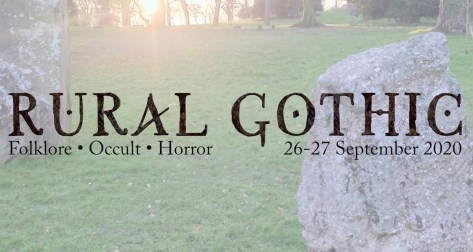
I’ll be giving a virtual talk Sun 27 Sept 10pm BST for the #RuralGothic conference. There will be lots of amazing speakers over the course of two days! All for a tenner!


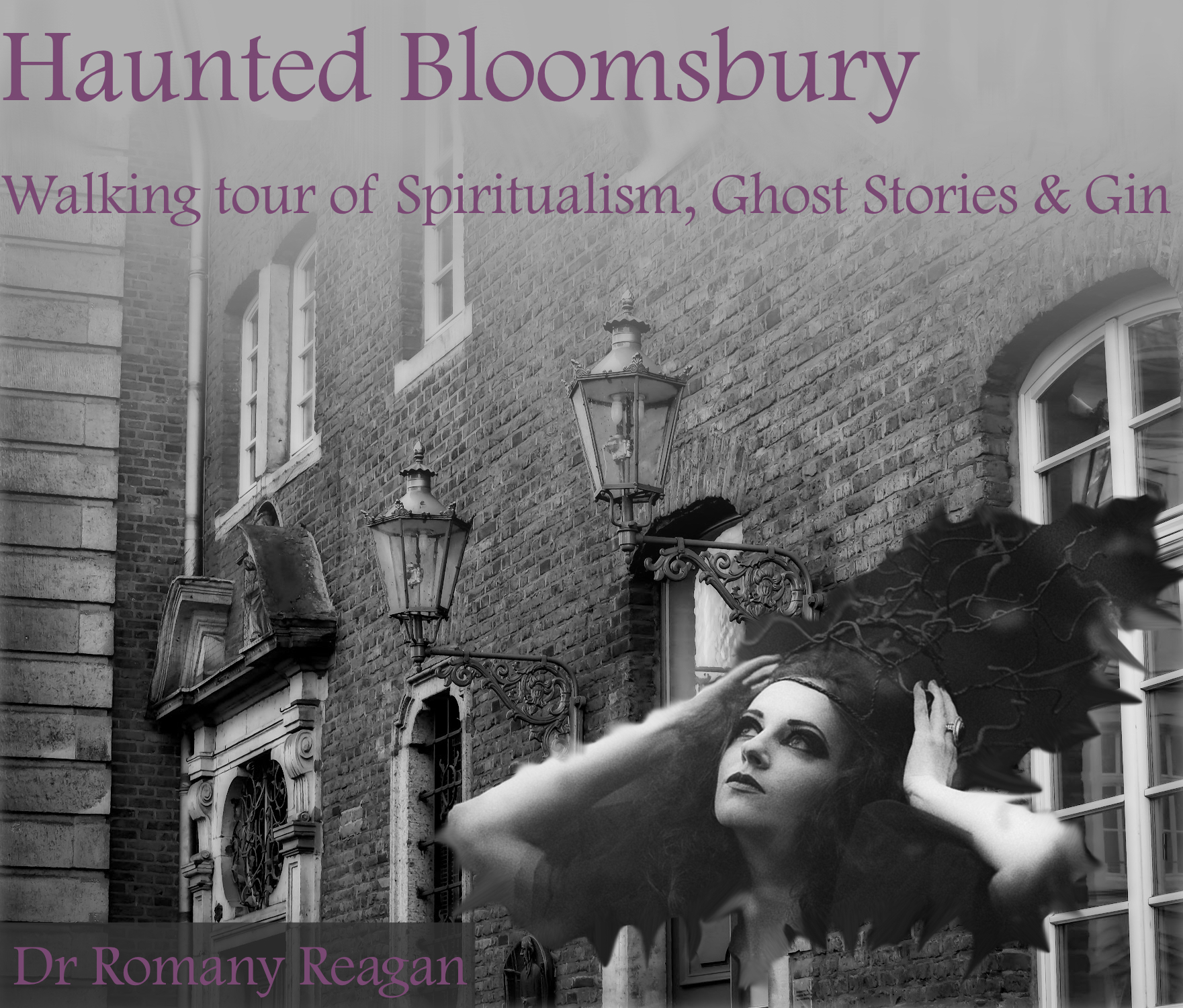
Haunted Bloomsbury: An ‘Experience’ Walking Tour of Spiritualism, Ghost Stories & Gin
Whether it was considered an intellectual pursuit, a genuine religious order, a feminist flag, or just a grand excuse for a gin-soaked party, Spiritualism was a crucible where many of the conflicting and newly forming ideas of the late Victorian era brewed and clashed. At one point it was the domain of the intellectual elite, who held literary salons discussing Swedenborg and Blake. At the other extreme it was reverse colonialism gone mad, with female liberation, drunkenness—and worst of all Americanness—running rampant through England.
The Victorians had long been fascinated by a wide range of phenomena that might loosely be termed the ‘occult’; and earlier manifestations of interest in spirituality had made their mark during the first half of the 19th century. Tracing Spiritualism’s lines of origin, we’re driven through these occult pathways into the heart of Bloomsbury. Join your tour guide Dr Romany Reagan for an evening stalk of gothic intrigues and Victorian ghosts, ending with a well-deserved gin at a local hostelry to settle your nerves.
Previous Talks & Walks:

If There’s Death, Let There Be Dancing: Discussing Cemetery Use
Tuesday 18 August 2020 7pm – YouTube
An online lecture and Q&A Session exploring the Victorian garden cemetery today as a place for mortality mediation and shared community space
Whilst ‘dark tourism’ and ‘thanatourism’ have sometimes been used interchangeably, thanatourism can be defined as a more specific long-standing practice motivated by a specific desire for an encounter with death. The long history of thanatourism is motivated more by thoughts of memento mori than a contemporary thrill-seeking dark tourism activity. Encounters with death themes represented in the Romantic Movement were precursors and inspiration for the development of Victorian garden cemeteries. The mortality mediation offered by these cemeteries has a long-standing association with a desire for encounters with death.
Many Victorian garden cemeteries have opened their gates as community spaces, extending the purview of cemetery community space beyond that as strictly sites of mourning. Contemporary changing attitudes towards death and dying—and our cultural desire for secular mortality mediation—means mixed use of cemeteries as community space are likely to become more commonplace. As these spaces embrace a variety of perspectives and voices within their walls, the perception of cemeteries is transforming from morbid and solemn, to celebratory and inclusive. These cemeteries endeavour to become places of community connection and joy.
In this talk, Dr Romany Reagan will offer perspectives on what cemeteries have meant to their communities throughout the nineteenth and twentieth centuries—and today—as spaces of mortality mediation. Building upon research from cemetery historians, mixed-use case studies, dark tourism, and her own research within Abney Park cemetery, Reagan will explore the diverse secular thanatouristic practices within cemeteries today—and the the future of navigating these practices within community contexts.
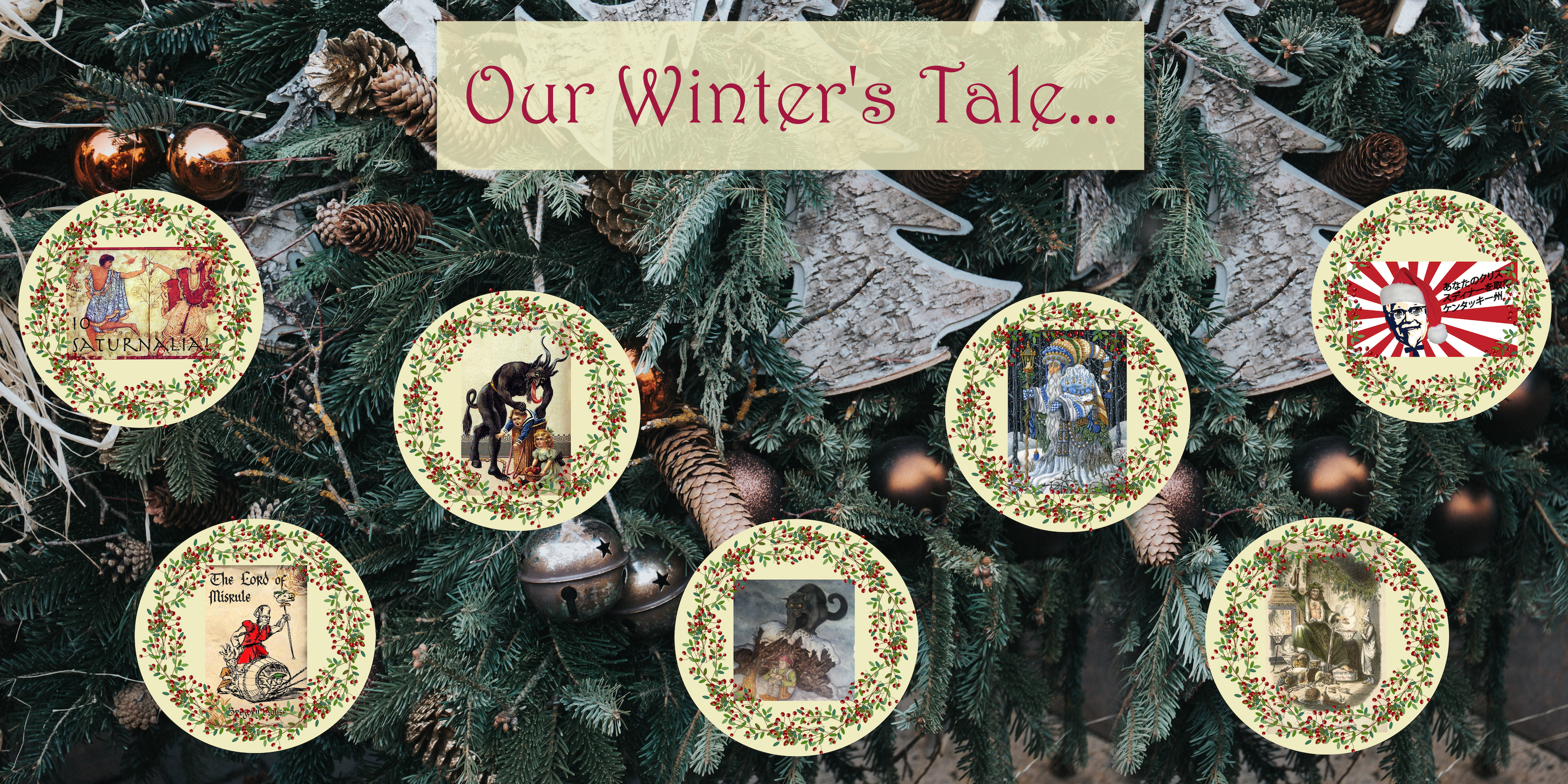
Everyone has an idea of the Perfect Christmas. How this looks will vary from person to person, or family to family – it could be as simple as a holiday without arguing or as grand as a ski getaway – but if I say to you now “envision the Perfect Christmas” most of you might conjure images of a fir tree decked with baubles, outdoor Christmas markets, mulled wine, shopping in the snow, children leaving treats for Santa and his reindeer, curling up in pyjamas watching Christmas films on TV – and nothing could be more Christmasy than a film about someone finding the Meaning of Christmas.
But what is the Meaning of Christmas? What is the Perfect Christmas? If I asked your grandparents, they might not share your vision. And if I asked your grandparents’ grandparents, they would probably be scandalised by your Perfect Christmas! However, a few generations further back still, they would probably wonder where your Lord of Misrule had gone and why you hadn’t planned any pranks on your neighbours. And if we go back long enough into your family tree, they wouldn’t celebrate anything you’d recognised as a Christmas celebration at all.
No Christian winter festival existed until the fourth century, at which point Christmas gradually began to take over from existing festivals like Saturnalia and January Kalends in the Roman Empire and eventual from Yule in Scandinavia. This is where my tale begins. From the medieval period, through the Reformation and Protestant adaptation, we will take a deep dive into the evolution of Christmas. By tracing the Protestant beginnings of early Father Christmas and Old Man Winter representations as a reaction against celebrating the Catholic saint St Nicholas in Protestant England, we’ll explore how these early Protestant Christmas Men – with many European winter figures of folklore in between – paved the way for a holiday based on a literary and cinematic heritage, manifesting in the fully secular and globalised Santa Claus figure we recognise today.

Witch Bottles & Worn Shoes
Wednesday, 20 November 2019
The secrets waiting within the walls of our domestic spaces are often not unearthed until renovation works bring these mysterious items into the light of a new day – and often a new century. During the extensive renovation works preparing the Geffrye: Museum of the Home for its grand reopening next year, one such secret was uncovered. In November 2018, builders discovered an old worn boot that was hidden in a walled up chimney void from when the museum was an almshouse. What was the boot doing there? Since a chimney void is hardly a likely place to accidentally lose a boot, who put it there? What purpose did it serve? Can we truly step into the mindset of the people who interred these objects – or will they remain a mystery?
The answers to these questions come from an ancient heritage of home-protection folklore practices throughout the British Isles reaching back through time – but also practiced far more recently than you might think.
For this evening lecture, we invite you to join Dr Romany Reagan in the restored eighteenth-century Geffrye Almshouse. The evening will begin with a chance to view the hidden boot and the almshouse, alongside an exhibition of other historical items used in home-protection folklore, and enjoy a glass of wine before heading upstairs to learn the curious history of the secrets within our walls.
 Blackthorn & Stone