Ok, so perhaps there isn’t much ‘fun’ in this week’s Fun Fact! This week, I’ve been marvelling at the notion of ‘modesty’. This concept has presented a huge stumbling block in medical care for women throughout history; but ‘modesty’ is just a polite word for shame. I’m currently reading about modesty from the mediaeval and early modern perspective, however the tendrils of this insidious concept can be felt in society today.
The thing about modesty, is it appears to be something imposed upon women by others. Yes, women perhaps do end up taking upon themselves the shame they are told they should have (if you tell someone something long enough, they will start to believe it themselves) but the idea that a woman would rather suffer in silence—and perhaps die—than present her gynaecological problems to a physician is the horrible result of this.
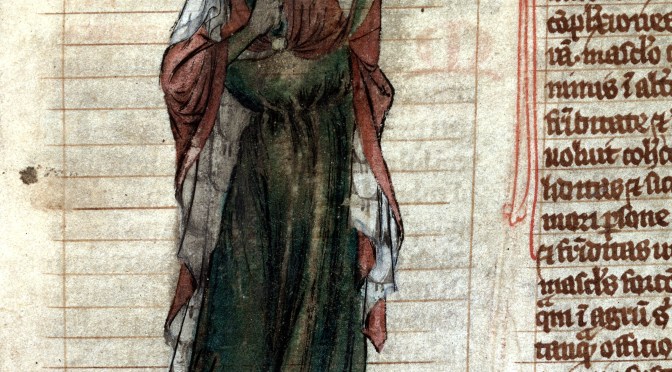
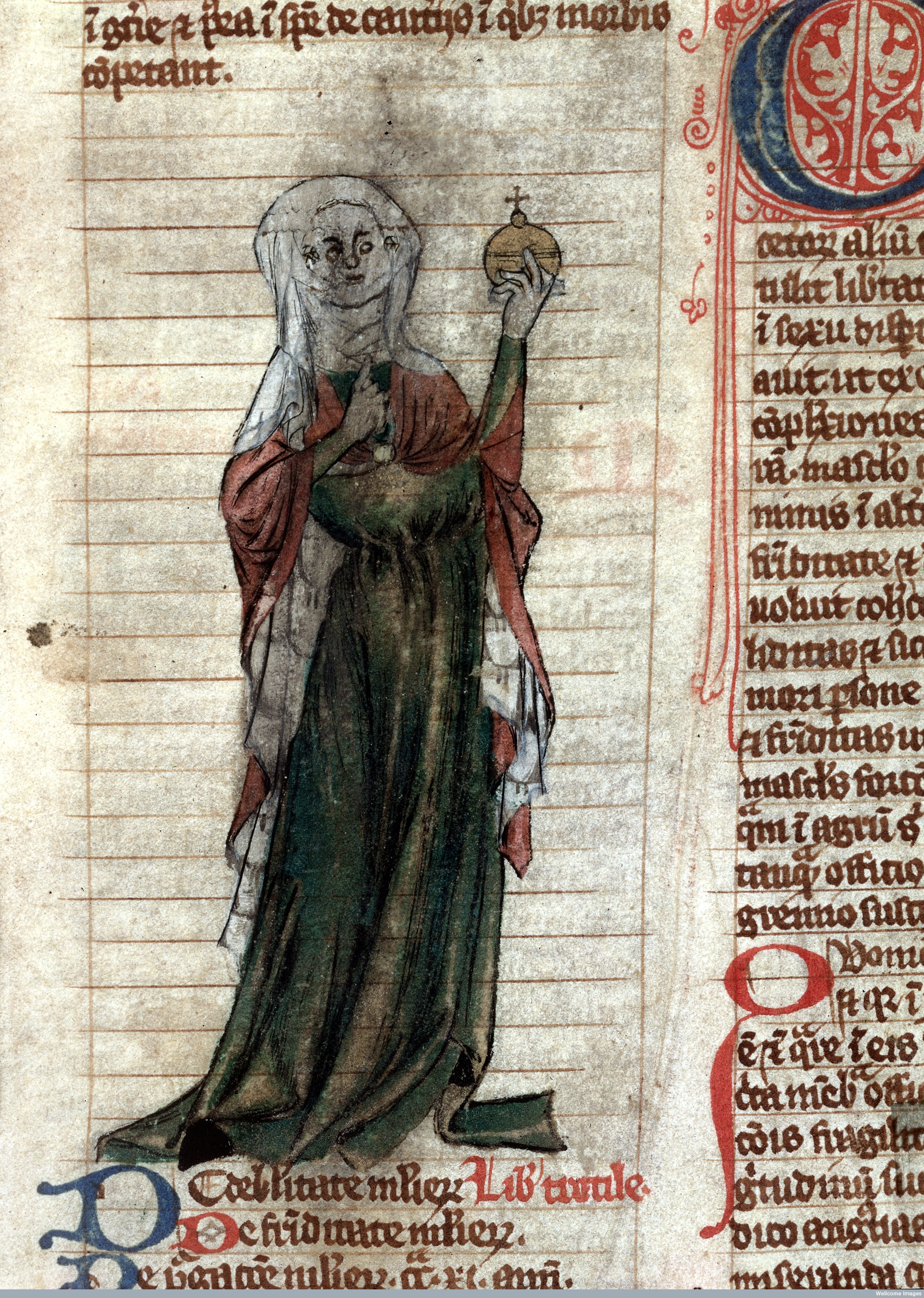
LFemale healer, Trotula, holding urine flask, 14th C Credit: Wellcome Library, London. Pen and wash drawing showing a standing female healer, perhaps of Trotula, clothed in red and green with a white headdress, holding up a urine flask to which she points with her right hand. Copyrighted work available under Creative Commons
One thing I found fascinating this week, is in ancient Rome and Greece, up until the 2nd century, medical texts were written directly to midwives. It was expected that women would be taking care of women’s issues, but also that they would be literate (read Greek, Latin, and/or Arabic) and had knowledge of the full anatomy. They were respected medical practitioners. It was only after waves of plague hit north Africa and the Mediterranean during the 5th and 6th centuries that governments and organised education fell apart, entering in an age of chaos, which these various societies never quite recovered from for the next 600 years.


 Blackthorn & Stone